
Weathering the Storm with Safety
Natural disasters create operating environments where conditions can shift faster than crews can adapt. Hurricanes, wildfires, ice storms, floods, and severe wind events bring unstable trees, compromised terrain, damaged infrastructure, reduced visibility, fatigue, and constantly shifting hazards. In these moments, safety depends not only on technical expertise but also on disciplined decision-making under pressure.
In a recent UAA Newsline article, “Weathering the Storm: Maintaining Safety Standards During Natural Disasters,” Ray Crump of Operational Excellence examines how disaster response environments challenge even the most experienced professionals. The piece highlights how “task creep,” fatigue, routine assumptions, and momentum can quietly heighten exposure during storm and emergency response operations. It also underscores the importance of the “All-Stop,” a deliberate pause to reassess changing conditions, reset the plan, and maintain operational control.
Strong safety cultures are built long before disaster strikes. As severe weather events grow more frequent and intense, the ability to recognize changing conditions and adjust without compromising control becomes essential. Professional disaster response is not defined by speed alone; it is defined by disciplined judgment under pressure.
Read the full article, available to UAA members here: Utility Arborist Newsline
Suggested For You
KENDALL BLOG
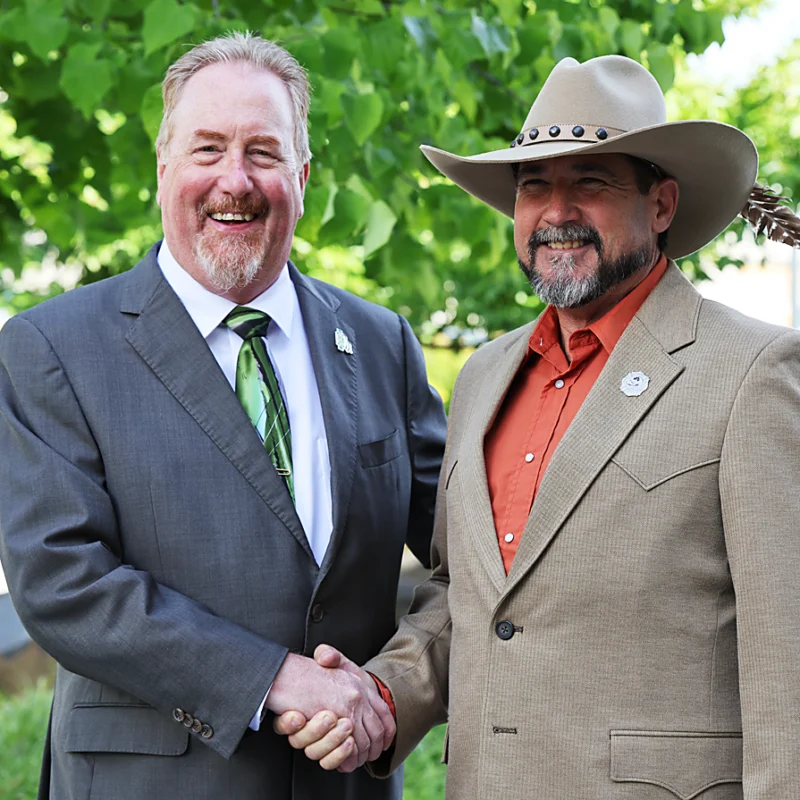
Celebrating Safety Leadership: James Wendt Receives the Will Nutter Silver Shield Award
KENDALL NEWS
XKIG Strengthens Midwest Presence with Acquisition of Wilderness Land Management

KENDALL NEWS
XKIG Expands Infrastructure Advisory and Emergency Management Capabilities with ClearPath Solutions
KENDALL BLOG
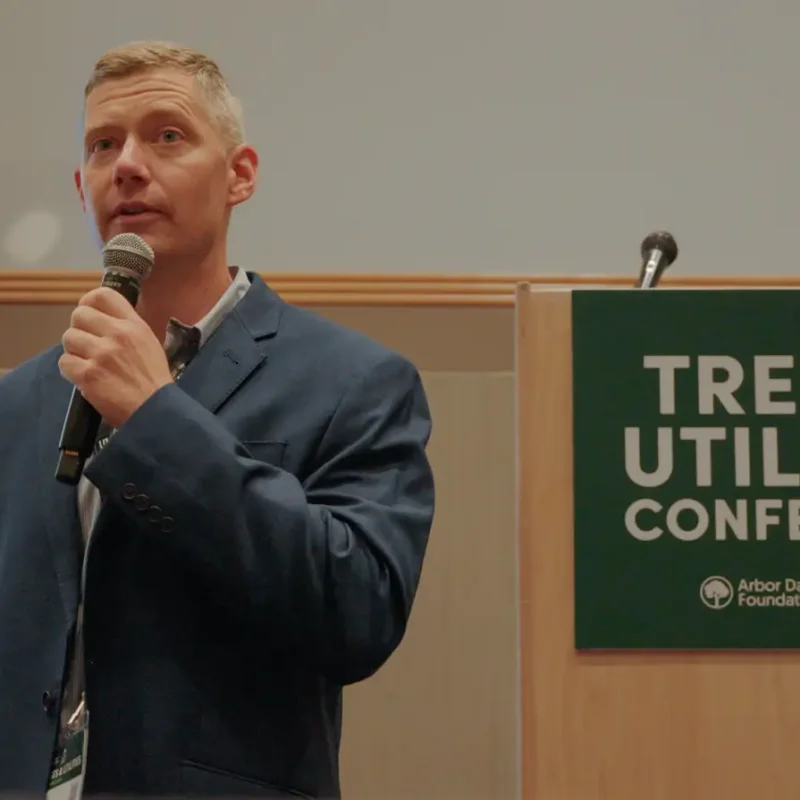
Weathering the Storm: Maintaining Safety During Response

KENDALL BLOG
Preparation, Resilience, and an Unexpected Career Journey
KENDALL BLOG
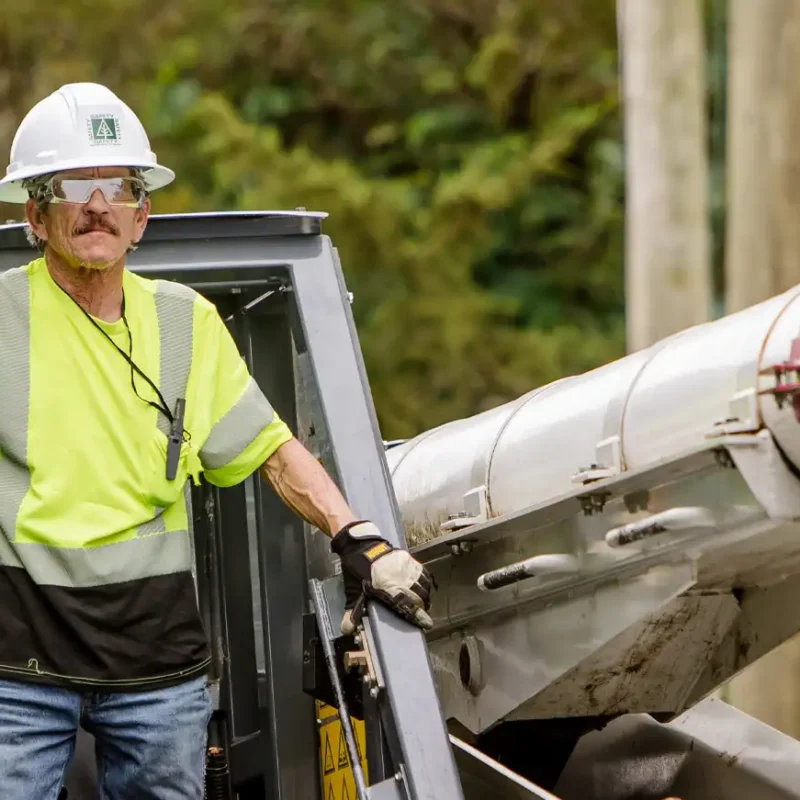
Keeping the Grid Accessible: The Role of Utility Rights-of-Way Maintenance

KENDALL BLOG
How Better Training Builds Better Crews: Lessons for Today's Deskless Workforce
KENDALL BLOG
The Best Storm Response Starts Months Before the Forecast
KENDALL NEWS
Built on Values: Recognizing Kendall’s 2025 MVV Award Winners

KENDALL NEWS
Advancing the Industry: Randolph Hoover Joins TCIA Board of Directors

KENDALL BLOG
Passing the Climb Forward

KENDALL BLOG
From Freeze to Failure: Understanding Winter Power Grid Vulnerabilities

KENDALL BLOG
The Right Tools for Kendall’s Right-of-Way Clearing

KENDALL BLOG
Winter Weather Is Coming: A Snapshot of Strategic Climate Risk Readiness
